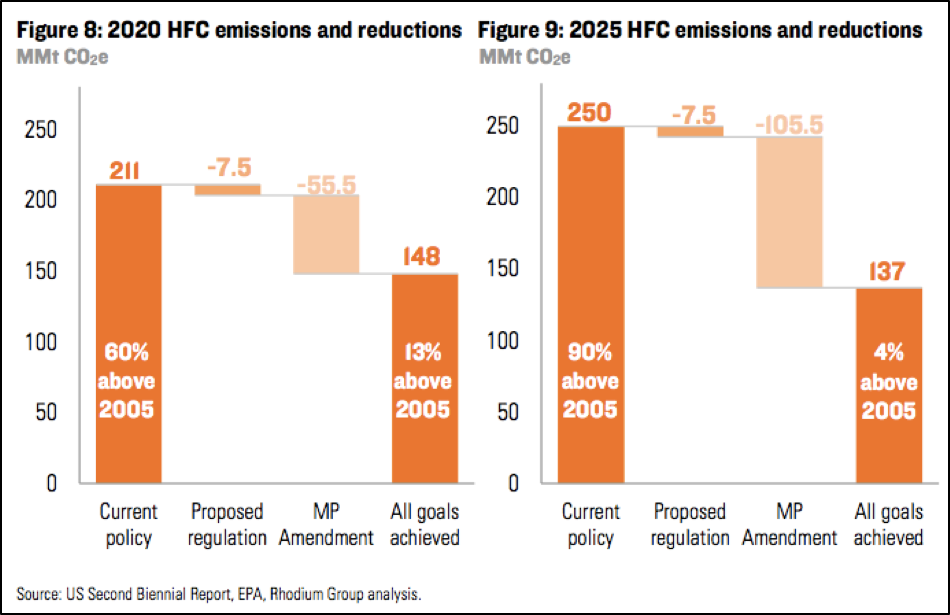
According to a new report by the Rhodium Group, implementing an HFC amendment under a “newly reinvigorated Montreal Protocol” will help boost the gap between the US emissions reduction pledge and its trajectory under current policies.
- News

According to a new report by the Rhodium Group, implementing an HFC amendment under a “newly reinvigorated Montreal Protocol” will help boost the gap between the US emissions reduction pledge and its trajectory under current policies.
Luego de años de negociaciones intensas, por primera vez en la historia los Estados de todo el mundo acuerdan trabajar de manera conjunta para evitar el daño irreversible de nuestra casa común. El acuerdo es sin duda histórico y es crucial en la construcción de un mundo más justo.
Ministers of the 50 Climate and Clean Air Coalition (CCAC) member countries launched a 5-year action plan today to cut short-lived climate pollutants, an effort that can avoid 0.6°C warming globally by 2050. Fast action to reduce short-lived climate pollutants “is an urgent, effective and pragmatic complement to aggressive mitigation of carbon dioxide and other long-lived greenhouse gases,” read the Paris Communique released at the Paris, COP21 meeting today.
The Global Military Advisory Council on Climate Change (GMACCC) underscored the need for fast action on climate change, emphasizing the relation to global security and calling for militaries to act as key contributors to climate change preparedness at the the Paris climate conference today.
National delegations and private sectors committed to new and increased actions to reduce short-lived climate pollutants (SLCPS) at the COP21 climate conference today. Among the fast action initiatives announced under the Lima Paris Action Agenda (LPAA) were sector commitments to reduce hydrofluorocarbons
President Obama reminded the world of the success of the Montreal Protocol, an international climate agreement that continues to provide bold mitigation, at the Leaders Event opening of COP21. “Earlier this month in Dubai, after years of delay, the world agreed to work together to cut the super-pollutants known as HFCs. That’s progress.”
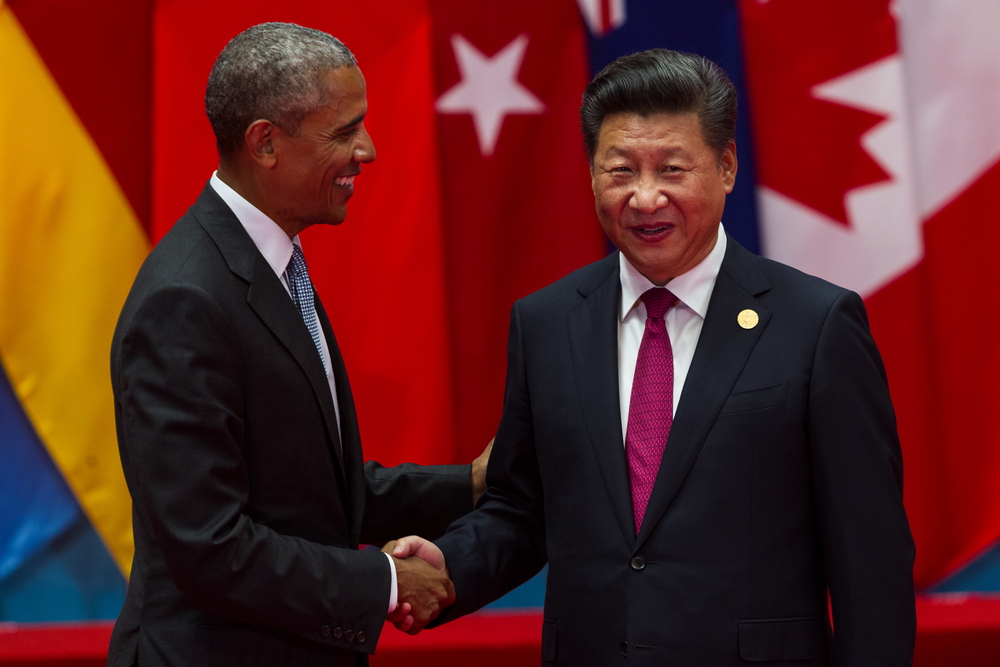
World’s top two climate polluters agree on fast action to cut short and long-lived emissions “President Obama’s historic agreement today with President Xi in China is the kind of bold action needed to reinvigorate the world’s efforts to slow and eventually reverse climate pollution before the most severe climate impacts become irreversible”, said Durwood Zaelke, […]
Here is a remarkable fact about global warming: It might be twice as bad right now were it not for a treaty negotiated by a conservative American president, for an entirely different purpose, based on motives no one has ever quite understood.
An international coalition has agreed to begin working towards domestic regulation aimed at reducing the use of HFCs, compounds commonly used as refrigerants but referred to as “super greenhouse gases” for their particularly negative impact on global warming.
When the United Nations wanted to help slow climate change, it established what seemed a sensible system. Greenhouse gases were rated based on their power to warm the atmosphere. The more dangerous the gas, the more that manufacturers in developing nations would be compensated as they reduced their emissions.